

Microsoft designer sets the stage for this enthralling narrative, offering readers a glimpse into a story that is rich in detail and brimming with originality. From the intricacies of design processes to the essential tools used, this topic delves into the fascinating world of Microsoft Designer with a fresh perspective.
Overview of Microsoft Designer
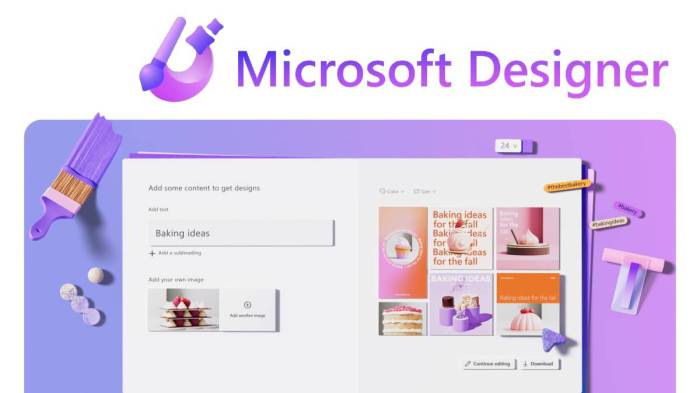
Microsoft Designer plays a crucial role in the design process by creating visually appealing and user-friendly designs for various Microsoft products and services. They combine creativity with technical skills to enhance the overall user experience.
Key Responsibilities of a Microsoft Designer
- Collaborating with cross-functional teams to understand design requirements and objectives.
- Creating wireframes, mockups, and prototypes for Microsoft products and services.
- Ensuring designs are consistent with Microsoft's brand guidelines and visual identity.
- Conducting user research and usability testing to gather feedback for design improvements.
Examples of Projects a Microsoft Designer may work on
- Designing the user interface for a new Microsoft software application.
- Creating marketing materials such as banners, social media graphics, and email templates.
- Redesigning the user experience of an existing Microsoft website to improve navigation and accessibility.
Skills and Qualifications required to become a Microsoft Designer
- Proficiency in design tools such as Adobe Creative Suite, Sketch, or Figma.
- Strong understanding of user experience design principles and best practices.
- Excellent communication and collaboration skills to work effectively with cross-functional teams.
- Bachelor's degree in Graphic Design, Visual Communication, or related field.
Tools and Software Used by Microsoft Designers
Microsoft designers utilize a variety of tools and software to create visually appealing designs and streamline their workflow. These tools play a crucial role in enhancing creativity and efficiency in the design process.
Essential Tools and Software
- Adobe Creative Cloud: Adobe's suite of design software including Photoshop, Illustrator, and InDesign is widely used by Microsoft designers for creating graphics, illustrations, and layouts.
- Sketch: A popular design tool for creating user interfaces and digital designs, Sketch offers a range of features tailored for modern design workflows.
- Figma: Figma is a collaborative interface design tool that allows multiple designers to work on the same project simultaneously, making it ideal for team-based projects.
Enhancing Design Workflow
- These tools provide a wide range of features and functionalities that enable designers to bring their creative ideas to life efficiently.
- Integration with other software and platforms allows for seamless collaboration and sharing of design assets among team members.
- Regular updates and new features help designers stay current with design trends and techniques, improving the overall quality of their work.
Comparing Software Options
- Adobe Creative Cloud offers a comprehensive suite of tools but can be costly for individual designers.
- Sketch is known for its simplicity and ease of use, making it a favorite among UI/UX designers.
- Figma's real-time collaboration features make it a top choice for design teams working remotely or on shared projects.
Tips for Maximizing Efficiency
- Utilize keyboard shortcuts and custom presets to speed up repetitive tasks and improve productivity.
- Organize design files and assets in a structured manner to easily locate and reference them during the design process.
- Regularly update software to access new features and improvements that can enhance the design workflow.
User Interface (UI) Design in Microsoft Products
User Interface (UI) design plays a crucial role in shaping the overall user experience of Microsoft products. Microsoft designers follow specific principles to ensure that the interfaces are intuitive, visually appealing, and user-friendly. Let's delve deeper into the intricacies of UI design in Microsoft applications.
Principles of UI Design
UI design in Microsoft products is guided by principles such as consistency, simplicity, clarity, and accessibility. By maintaining consistency in elements like layout, color schemes, and typography, users can easily navigate different Microsoft applications. Simplicity ensures that the interface is not cluttered with unnecessary elements, making it easier for users to focus on their tasks.
Clarity in design elements such as icons and buttons helps users understand the functionality at a glance. Accessibility is also a key consideration, ensuring that Microsoft products are usable by individuals with diverse needs.
User Experience Importance
User experience (UX) is a top priority for Microsoft designers, as it directly impacts how users interact with and perceive the products. By focusing on creating seamless, enjoyable experiences, Microsoft aims to enhance user satisfaction and loyalty. A positive UX also contributes to increased productivity and efficiency, as users can accomplish tasks more effectively within the software.
Examples of Well-Executed UI Designs
Microsoft has a track record of delivering well-executed UI designs across its product portfolio. One notable example is the Fluent Design System, which provides a cohesive design language across Windows 10, Office apps, and other Microsoft products. The use of intuitive gestures, responsive animations, and modern typography in applications like Microsoft Teams and Outlook exemplify the company's commitment to delivering exceptional UI experiences.
Creating User-Friendly Interfaces
The process of creating user-friendly interfaces for Microsoft software involves conducting user research, prototyping, testing, and iterating based on feedback. Microsoft designers collaborate closely with UX researchers, developers, and product managers to ensure that the interface meets the needs and expectations of the target audience.
By incorporating user feedback and usability testing throughout the design process, Microsoft can continuously refine and improve the UI to deliver a superior user experience.
Collaborative Work and Communication
Collaboration and effective communication are essential for Microsoft Designers to work cohesively with their team members and ensure the success of a design project within a Microsoft environment.
Collaboration with Team Members
Effective collaboration with team members is crucial for Microsoft Designers. They often work closely with other designers, developers, project managers, and stakeholders to bring a design project to fruition. This collaboration involves sharing ideas, providing feedback, and working together towards a common goal.
Communication Methods
Communication methods used within design teams at Microsoft can vary. Teams may utilize tools like Microsoft Teams, Slack, or email for written communication. Additionally, regular meetings, both in-person and virtual, are held to discuss project progress, address any issues, and brainstorm ideas.
Clear and concise communication is key to ensuring everyone is on the same page.
Strategies for Effective Collaboration
To ensure effective collaboration in a design project, Microsoft Designers can implement strategies such as setting clear goals and expectations, assigning roles and responsibilities, establishing timelines, and providing regular updates on progress. Encouraging open communication, constructive feedback, and fostering a positive team environment can also enhance collaboration efforts.
Working in a Design Team at Microsoft
Working in a design team within a Microsoft environment can be dynamic and fast-paced. Designers are often required to adapt to changing requirements, collaborate with cross-functional teams, and stay updated on the latest design trends and technologies. Being flexible, open to feedback, and proactive in seeking solutions are essential qualities for success in a design team at Microsoft.
Final Conclusion
As we reach the conclusion of this exploration into the realm of Microsoft Designer, it becomes evident that the role is not just about creating visually appealing designs but also about enhancing user experience and fostering effective collaboration within design teams.
With a blend of creativity and technical skills, Microsoft Designers play a vital role in shaping the digital landscape of tomorrow.
FAQs
What are the key responsibilities of a Microsoft Designer?
Microsoft Designers are responsible for conceptualizing and creating design solutions that meet user needs, collaborating with team members, and ensuring consistency in design elements across projects.
What skills and qualifications are required to become a Microsoft Designer?
Typically, a Microsoft Designer should have a strong foundation in design principles, proficiency in design software such as Adobe Creative Suite, and the ability to work well in a team environment.
How do Microsoft Designers collaborate with other team members?
Microsoft Designers collaborate through regular meetings, shared project management tools, and feedback sessions to ensure alignment on project goals and design direction.