

Exploring the intricacies of labor cost for siding a house unveils a world of variables that can sway the final expenses. From the size of the dwelling to the materials used and even the time of year, each element plays a crucial role in determining the overall labor cost.
Let's delve into the nitty-gritty details of this often overlooked aspect of home improvement.
Factors influencing labor cost for siding a house
When it comes to determining the labor cost for siding a house, several factors come into play. These factors can significantly impact the overall cost of the project and should be carefully considered before starting the siding installation process.
Size of the house
The size of the house is a crucial factor that influences labor costs for siding. Larger houses will require more materials and more time to complete the siding installation, resulting in higher labor costs compared to smaller houses.
Type of siding material
The type of siding material chosen for the project can also impact labor costs. Some siding materials may be more complex to install, requiring additional time and expertise from the contractor. Higher-end materials may also require more precision and care during installation, leading to increased labor costs.
Complexity of the design
The complexity of the design or layout of the house can affect labor costs as well. Intricate designs, multiple stories, or unique architectural features may require more time and effort to properly install the siding, resulting in higher labor costs.
Location
The location of the house can also play a role in labor costs for siding projects. Factors such as accessibility, local labor rates, and building codes can impact how much a contractor may charge for their services. Urban areas or regions with higher costs of living may have higher labor rates compared to rural areas.
Experience and reputation of the siding contractor
The experience and reputation of the siding contractor can also influence labor costs. Contractors with more experience or a strong reputation for quality work may charge higher rates for their services. However, hiring a reputable contractor can provide peace of mind and ensure a high-quality siding installation.
Seasonal factors and market demand
Seasonal factors and market demand can also affect labor costs for siding projects. During peak seasons when contractors are in high demand, labor costs may increase due to limited availability. Additionally, weather conditions can impact the timeline for the project, potentially affecting labor costs if delays occur.
Labor Cost Calculation Methods
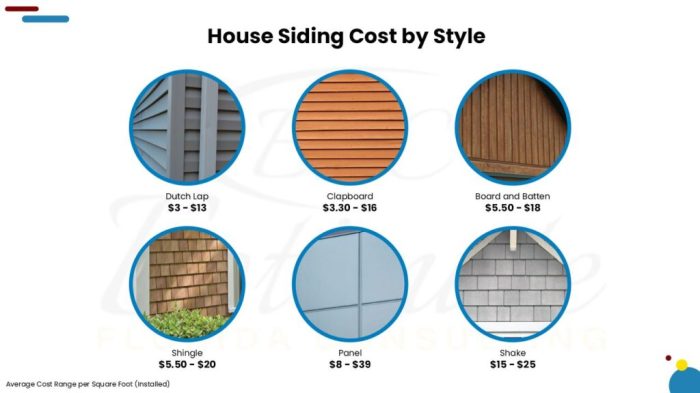
When it comes to calculating labor costs for siding a house, there are several factors to consider. These include hourly rates, project duration, and any additional expenses that may arise during the installation process.
Hourly Rates vs. Flat-Rate Pricing
- Hourly Rates: Some contractors charge by the hour for siding installation projects. The hourly rate can vary depending on the experience of the contractor and the complexity of the job. This method allows for more flexibility in pricing, but it can also lead to higher costs if the project takes longer than expected.
- Flat-Rate Pricing: Other contractors may offer a flat-rate price for the entire siding installation project. This means that you will pay a set amount for the entire job, regardless of how long it takes. Flat-rate pricing can provide more predictability in terms of costs, but it may not always be the most cost-effective option.
Importance of Obtaining Multiple Quotes
Obtaining multiple quotes from different contractors is crucial when calculating labor costs for siding a house. This allows you to compare prices, evaluate the services offered, and choose the best option for your budget and needs. By getting multiple quotes, you can ensure that you are getting a fair price for the labor involved in your siding installation project.
Tips for reducing labor costs
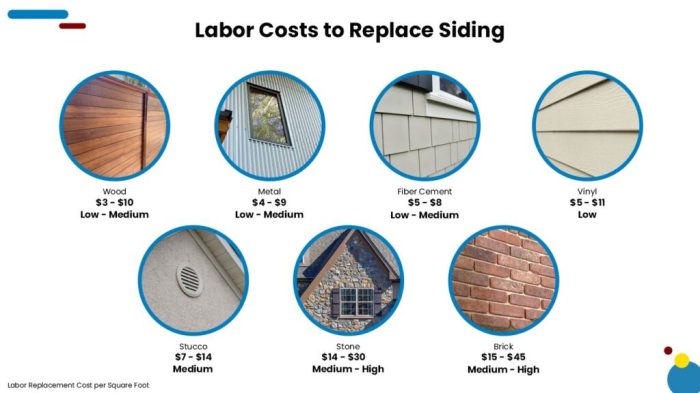
Proper planning and effective communication with your contractor can help minimize labor costs when siding a house. Additionally, choosing cost-effective siding materials and simplifying the design can contribute to reducing overall expenses.
Choose cost-effective siding materials
- Opt for vinyl siding or fiber cement siding, which are more affordable compared to options like wood or stone.
- Consider pre-finished siding to eliminate the need for painting, saving time and labor costs.
- Shop around for discounts or promotions on bulk purchases of siding materials to lower overall costs.
Simplify the design
- Stick to a basic siding layout without intricate patterns or details that require additional time and labor to install.
- Avoid complex architectural features that may increase the complexity of the siding installation process.
- Choose a standard siding profile that is easier and faster to install, reducing labor hours.
Bundle siding installation with other home improvement projects
- Combine siding installation with other renovations, such as roof repairs or window replacements, to leverage labor cost savings.
- Contractors may offer discounts for bundled projects, reducing labor costs for each individual service.
- Coordinate different home improvement tasks to be completed simultaneously to optimize efficiency and minimize labor expenses.
Potential additional labor costs
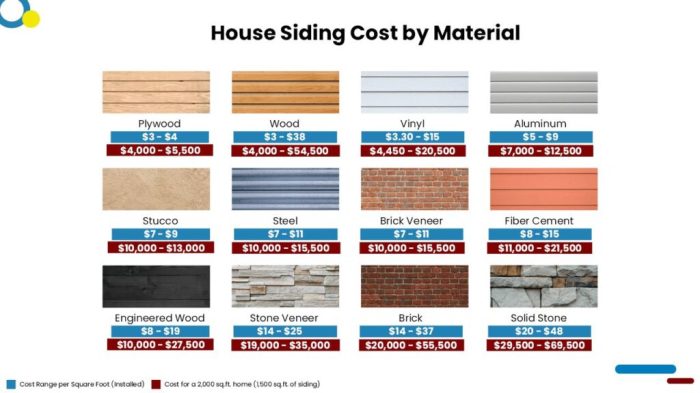
During a siding project, homeowners may encounter additional labor costs beyond the initial estimates. These costs can arise from unexpected repairs, removal of old siding, or unforeseen structural issues that need to be addressed.
Repairs and Modifications
When installing new siding, contractors may discover underlying issues with the house that require repairs or modifications. This can include fixing damaged sheathing, replacing rotted wood, or addressing mold or pest infestations. Such repairs can significantly increase labor costs as additional time and materials are needed to rectify these issues.
Removal of Old Siding
Removing existing siding is a labor-intensive task that can lead to unexpected costs. If the old siding is in poor condition or contains hazardous materials like asbestos, special precautions must be taken during removal. This can prolong the project timeline and add to the overall labor expenses.
Structural Issues
Unforeseen structural issues, such as water damage or termite infestations, can emerge during a siding project. Addressing these issues requires skilled labor and additional materials, impacting the overall labor costs. Failure to address these structural issues promptly can result in further damage and higher repair expenses in the long run.
Closing Notes
As we wrap up our discussion on labor costs for siding a house, it becomes evident that meticulous planning and foresight can lead to significant savings. By understanding the influencing factors, calculation methods, and cost-saving tips, homeowners can navigate this process with confidence and financial prudence.
FAQ
How do seasonal factors impact labor costs for siding projects?
Seasonal factors can affect labor costs by creating high demand during peak seasons, leading to potential price hikes from contractors.
What are the benefits of bundling siding installation with other home improvement projects?
Bundling projects can help reduce overall labor costs by allowing contractors to work more efficiently and complete tasks in a timely manner.
How can unexpected structural issues impact labor costs during a siding project?
Unforeseen structural issues may require additional labor and time, leading to increased costs to rectify the problems.