

Embark on a journey into the realm of interior architecture, where creativity and functionality intersect to shape spaces that inspire. From the basics to the latest trends, this guide delves into the depths of interior architectural design.
Overview of Interior Architecture
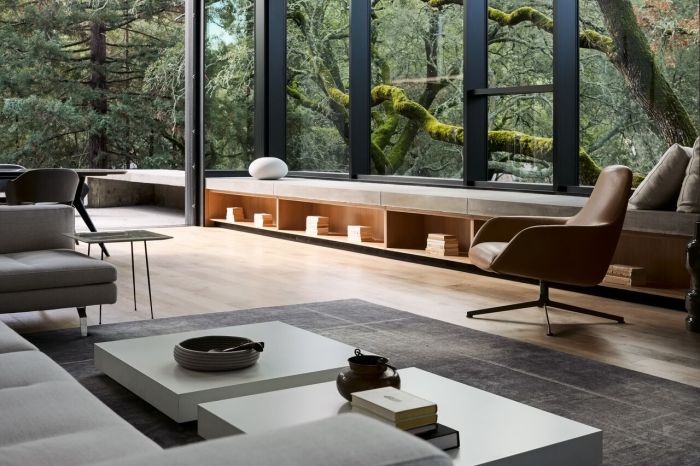
Interior architecture refers to the design and coordination of interior spaces within a building. It focuses on the functionality, safety, and aesthetics of a space to create a harmonious environment that meets the needs of the occupants. Interior architecture plays a crucial role in the overall design industry by shaping the way people interact with the spaces they inhabit.The relationship between interior architecture and interior design is interconnected, with interior architecture forming the foundation on which interior design is built.
While interior architecture focuses on the structural elements of a space such as layout, materials, and lighting, interior design deals with the decorative aspects like furniture, color schemes, and accessories. Together, they work hand in hand to create cohesive and visually pleasing spaces.
Examples of Famous Interior Architecture Projects
- The Guggenheim Museum in Bilbao, Spain: Designed by Frank Gehry, this iconic building features innovative interior architecture with its fluid forms and dynamic spaces.
- The Louvre Pyramid in Paris, France: Designed by I.M. Pei, this modern addition to the historic Louvre Museum showcases a unique blend of interior architecture and structural design.
- Marina Bay Sands in Singapore: This integrated resort complex designed by Moshe Safdie showcases a stunning interior architecture that seamlessly integrates with its exterior features.
Elements of Interior Architecture
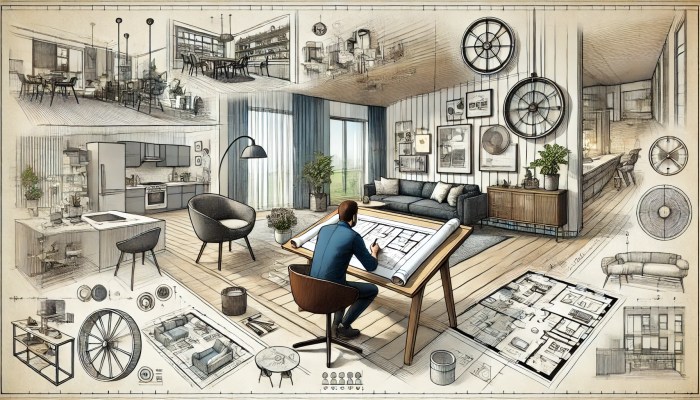
Interior architecture encompasses several key elements that contribute to the overall design and functionality of interior spaces. These elements work together to create harmonious and aesthetically pleasing environments that meet the needs of the occupants.
Space Planning
Space planning is a crucial aspect of interior architecture that involves organizing and arranging interior spaces in a way that optimizes functionality and flow. It considers the purpose of the space, the activities that will take place within it, and the needs of the users.
Effective space planning ensures that the layout of a space is efficient, comfortable, and visually appealing.
- Space planning involves determining the ideal placement of furniture, fixtures, and other elements within a space to maximize usability and circulation.
- It takes into account factors such as traffic flow, sight lines, and accessibility to create a well-balanced and cohesive design.
- Through careful space planning, interior architects can create environments that support the activities and functions that will occur within a space, whether it be a residential, commercial, or public space.
Materials and Finishes
Materials and finishes play a significant role in interior architectural design, as they contribute to the overall look, feel, and durability of a space. The selection of materials and finishes can greatly impact the aesthetics and functionality of an interior environment.
- Materials such as wood, metal, glass, and stone can be used to add texture, warmth, and visual interest to a space.
- Finishes such as paint, wallpaper, flooring, and textiles can enhance the overall design concept and create a cohesive look throughout the space.
- The choice of materials and finishes should not only consider aesthetics but also factors such as maintenance, durability, and sustainability.
Principles of Interior Architecture
Interior architecture is guided by fundamental principles that shape the design of interior spaces. These principles are essential for creating harmonious and functional environments that meet the needs of the users.Balance, scale, and proportion play a crucial role in interior architecture.
Balance refers to the distribution of visual weight in a space, ensuring that elements are harmoniously arranged. It can be achieved through symmetrical, asymmetrical, or radial balance, depending on the design intent.Scale, on the other hand, relates to the size of elements in relation to each other and the space as a whole.
Proper scaling ensures that furniture, fixtures, and architectural details are proportionate to the room, creating a sense of coherence and visual harmony.Proportion involves the relationship between different elements in terms of size, shape, and placement. It determines how various components work together to create a unified whole.
By maintaining proper proportions, interior architects can create spaces that feel well-balanced and visually appealing.Lighting design is another critical aspect of interior architecture that greatly impacts the look and feel of a space
It is essential to consider natural and artificial lighting sources, as well as the placement of fixtures, to achieve the desired ambiance and functionality within a space.
Trends in Interior Architecture
Interior architecture is a dynamic field that constantly evolves with changing trends and preferences. Keeping up with the latest trends is essential for designers to create spaces that are both functional and aesthetically pleasing.
Current Trends in Interior Architectural Design
One current trend in interior architectural design is the use of sustainable materials and eco-friendly practices. Designers are increasingly incorporating elements like recycled wood, natural fibers, and energy-efficient lighting to create environmentally conscious spaces.
Another trend is the rise of biophilic design, which focuses on incorporating elements of nature into interior spaces to improve well-being. This includes the use of plants, natural light, and organic shapes to create a connection to the outdoors.
Minimalism continues to be a popular trend in interior architecture, with clean lines, neutral colors, and clutter-free spaces taking center stage. This design approach emphasizes simplicity and functionality, creating spaces that feel calm and uncluttered.
Comparison of Traditional and Modern Interior Architectural Styles
Traditional interior architectural styles often feature ornate detailing, rich colors, and heavy furniture pieces. In contrast, modern approaches tend to focus on simplicity, minimalism, and the use of innovative materials and technology.
While traditional styles may evoke a sense of history and luxury, modern designs prioritize functionality, comfort, and adaptability to changing lifestyles. The integration of technology, such as smart home systems and interactive elements, is a hallmark of contemporary interior architecture.
Integration of Technology in Contemporary Interior Architecture
Technology plays a significant role in shaping contemporary interior architecture, with designers incorporating smart home devices, automation systems, and interactive features into their designs. These technological advancements enhance the functionality and efficiency of spaces, allowing for greater control and customization.
From voice-activated assistants to integrated lighting and climate control systems, technology has become an integral part of modern interior architecture. Designers are finding innovative ways to seamlessly integrate technology into spaces, creating smart and connected environments that cater to the needs of inhabitants.
Sustainable Practices in Interior Architecture
Sustainability in interior architecture involves designing spaces that minimize environmental impact, conserve resources, and promote the health and well-being of occupants. It focuses on creating interiors that are eco-friendly, energy-efficient, and socially responsible.
Examples of Eco-Friendly Materials and Practices
- Using recycled materials such as reclaimed wood, glass, and metal to reduce waste and carbon footprint.
- Installing energy-efficient lighting systems, HVAC systems, and appliances to lower energy consumption.
- Choosing non-toxic paints, finishes, and adhesives to improve indoor air quality and reduce harmful emissions.
- Incorporating green walls, living roofs, and indoor plants to enhance air quality, reduce noise, and promote well-being.
Role of Interior Architects in Promoting Sustainable Design
- Collaborating with clients, contractors, and suppliers to source sustainable materials and products for projects.
- Integrating passive design strategies such as natural lighting, ventilation, and thermal mass to reduce energy consumption.
- Educating clients and stakeholders about the benefits of sustainable design practices and encouraging them to make environmentally conscious decisions.
- Advocating for green building certifications such as LEED (Leadership in Energy and Environmental Design) to ensure projects meet stringent sustainability standards.
Conclusion
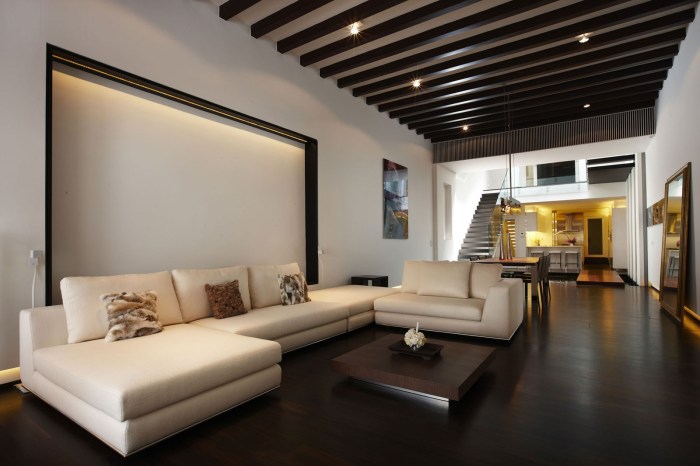
In conclusion, interior architecture is a dynamic field that combines artistry with practicality to create stunning living and working environments. Whether you're a design enthusiast or a professional, understanding the principles and trends in this discipline can elevate your appreciation for the spaces we inhabit.
FAQ Resource
What is the significance of interior architecture?
Interior architecture focuses on the structural design of interior spaces, emphasizing both aesthetics and functionality.
How does space planning play a role in interior architecture?
Space planning in interior architecture involves organizing and arranging interior spaces to optimize functionality and flow.
What are some current trends in interior architectural design?
Current trends include biophilic design, sustainable materials, and the integration of smart home technology.
How do interior architects promote sustainable design solutions?
Interior architects promote sustainable design by using eco-friendly materials, energy-efficient systems, and incorporating green building practices.