
Delving into interior and exterior design, this introduction immerses readers in a unique and compelling narrative, with a casual formal language style that is engaging and thought-provoking from the very first sentence.
As we journey through the realms of interior and exterior design, we uncover the intricate balance between functionality and aesthetics, creating spaces that are not only visually appealing but also harmonious with their surroundings.
Interior Design
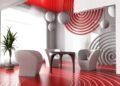
Interior design is the art and science of enhancing the interior of a space to achieve a healthier and more aesthetically pleasing environment for the people using it. It involves creating a cohesive look and feel through the selection of furniture, color schemes, lighting, and other decorative elements.
Popular Interior Design Styles
- Modern: Characterized by clean lines, minimalism, and a focus on function.
- Traditional: Features classic furniture, rich colors, and ornate details.
- Scandinavian: Known for its simplicity, light colors, and natural materials.
- Industrial: Incorporates raw, unfinished elements like exposed brick and metal.
- Bohemian: Embraces a free-spirited, eclectic mix of colors, patterns, and textures.
Importance of Color Schemes
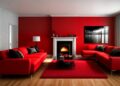
Color schemes play a crucial role in interior design as they can affect the mood, perception of space, and overall ambiance of a room. Warm colors like red and yellow can create a cozy and inviting atmosphere, while cool colors like blue and green can promote relaxation and calmness.
It is essential to choose colors that complement each other and reflect the desired vibe of the space.
Role of Furniture Layout
- Functionality: Furniture layout should prioritize the functionality of the space and ensure that it serves its intended purpose.
- Traffic Flow: Proper furniture arrangement helps create a smooth flow of movement within the room, making it easy to navigate and use the space efficiently.
- Focal Points: Strategic placement of furniture can highlight architectural features or decorative elements, enhancing the visual appeal of the room.
- Balance: Balancing the size, shape, and placement of furniture pieces is essential for achieving harmony and a sense of proportion in the room.
Exterior Design
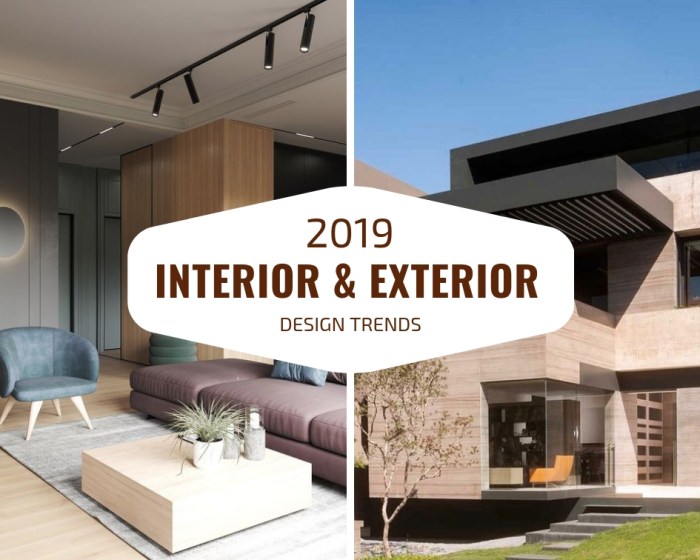
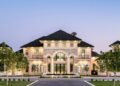
Exterior design refers to the aesthetic and functional aspects of the outer appearance of a building or property. It plays a crucial role in creating a lasting first impression and enhancing the overall appeal of a structure.
Landscaping
Landscaping is a key element of exterior design that involves the arrangement and maintenance of plants, trees, and outdoor features around a property. It helps to soften the harsh lines of buildings, add color and texture, and create a welcoming outdoor space.
Facade
The facade of a building is its front exterior, including walls, windows, doors, and architectural details. It serves as the face of the structure and sets the tone for the overall design. Facade design can vary from sleek and modern to ornate and traditional, depending on the style of the building.
Materials
The choice of materials used in exterior design can greatly impact the look and feel of a building. From brick and stone to wood and metal, each material offers a unique aesthetic and durability. Selecting the right materials can enhance the visual appeal and longevity of the exterior design.
Modern vs. Traditional Styles
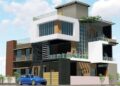
Modern exterior design focuses on clean lines, minimalism, and innovative materials. It often incorporates large windows, flat roofs, and geometric shapes. In contrast, traditional exterior design embraces classic elements like pitched roofs, intricate moldings, and symmetrical layouts. Both styles offer different aesthetics and appeal to different tastes.
Tips for Enhancing Curb Appeal
- Keep the exterior well-maintained by regularly cleaning and repairing any damage.
- Add landscaping elements such as flower beds, shrubs, and trees to create a welcoming entrance.
- Choose a cohesive color palette for the exterior elements to create a harmonious look.
- Upgrade the front door and hardware for a stylish focal point.
- Consider adding architectural details like trim work or shutters to enhance visual interest.
Integration of Interior and Exterior Design
When it comes to designing a space, the integration of interior and exterior design is crucial in creating a cohesive and harmonious environment. By seamlessly blending the two, you can enhance the overall aesthetic appeal and functionality of a space.
Complementary Design Elements
One way interior and exterior design can complement each other is through the use of similar materials, colors, and textures. For example, using a consistent color palette both indoors and outdoors can create a sense of continuity and flow throughout the space.
Impact of Natural Light
Natural light plays a significant role in both interior and exterior design. Large windows, skylights, and glass doors can help bring the outdoors in, blurring the lines between indoor and outdoor spaces. This not only creates a seamless transition but also enhances the overall ambiance of the space.
Creating a Seamless Transition
- Utilize sliding glass doors or folding walls to connect indoor and outdoor areas.
- Incorporate similar design elements such as flooring or architectural details to create visual continuity.
- Create outdoor living spaces that are extensions of interior rooms, such as a patio off a living room or kitchen.
- Use landscaping to enhance the connection between indoor and outdoor spaces, such as incorporating planters or green walls inside.
Trends in Interior and Exterior Design
In the ever-evolving world of design, trends play a significant role in shaping the aesthetic and functionality of interior and exterior spaces. From incorporating natural elements to embracing technological advancements, designers are constantly exploring new ways to create innovative and sustainable designs.
Biophilic Design in Interior Spaces
Biophilic design, which focuses on connecting people with nature through the use of natural elements, has gained popularity in interior design. From incorporating indoor plants to maximizing natural light, this trend aims to create spaces that enhance well-being and productivity.
Sustainable Practices in Exterior Design
Sustainability is a key focus in exterior design, with designers incorporating eco-friendly materials and energy-efficient solutions to reduce the environmental impact of buildings. From green roofs to rainwater harvesting systems, these practices not only benefit the planet but also create healthier living environments.
Incorporating Smart Technology
The integration of smart technology in both interior and exterior design has become increasingly popular. From automated lighting systems to smart irrigation systems, these technologies not only enhance convenience but also improve energy efficiency and overall functionality of spaces.
Cultural Influences on Design Trends
Cultural influences play a significant role in shaping design trends, with designers drawing inspiration from diverse traditions and aesthetics. Whether it's incorporating traditional patterns or using vibrant colors, cultural influences add a unique and personal touch to interior and exterior spaces.
Wrap-Up
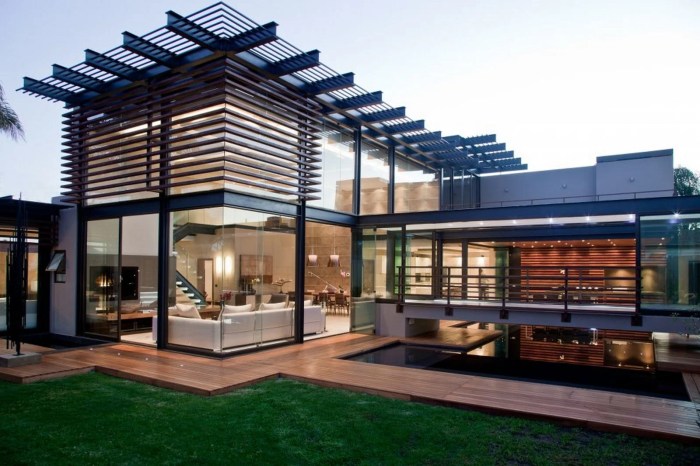
In conclusion, interior and exterior design are two sides of the same coin, each influencing the other in creating spaces that are truly exceptional. By blending elements of style, functionality, and innovation, designers can craft environments that inspire and delight.
Questions Often Asked
How important are color schemes in interior design?
Color schemes play a crucial role in setting the tone and mood of a space, influencing everything from perceived size to emotional impact.
What elements are involved in exterior design?
Exterior design encompasses landscaping, facade design, material selection, and architectural details to create a cohesive and visually appealing exterior.
How can interior and exterior design complement each other?
By maintaining a consistent design language, using similar color palettes, and ensuring a seamless transition between indoor and outdoor spaces, interior and exterior design can create a harmonious overall look.