

House siding near me opens up a world of possibilities when it comes to enhancing the exterior of your home. From classic vinyl to durable fiber cement, the options are endless. Let's delve into the realm of house siding to discover the perfect fit for your abode.
As we explore different types of siding materials, factors to consider, finding local contractors, and the age-old DIY vs. professional installation debate, you'll be equipped with the knowledge to make informed decisions about your home's exterior.
Types of House Siding

When it comes to choosing house siding, there are various materials available, each with its own set of pros and cons. Let's take a closer look at some popular siding options like vinyl, wood, fiber cement, and metal, comparing their cost and durability.
Vinyl Siding
- Pros: Affordable, low maintenance, variety of colors and styles.
- Cons: Prone to cracking and fading over time.
Wood Siding
- Pros: Natural beauty, environmentally friendly, can be painted or stained.
- Cons: High maintenance, susceptible to rot and pests.
Fiber Cement Siding
- Pros: Durable, fire-resistant, low maintenance.
- Cons: Higher cost upfront, requires professional installation.
Metal Siding
- Pros: Long-lasting, minimal maintenance, can be recycled.
- Cons: Susceptible to dents, may require repainting over time.
By considering the characteristics of each siding material, homeowners can make an informed decision based on their budget, maintenance preferences, and desired aesthetic. Visual examples of houses with different siding materials can help in envisioning the final look of a home.
Factors to Consider When Choosing House Siding
When selecting house siding, there are several important factors to take into consideration to ensure you make the best choice for your home.
Climate Influence
Different climate conditions can impact the performance and durability of house siding materials. For example, in areas with high humidity or frequent rainfall, you may want to choose siding materials that are resistant to moisture and mold growth, such as vinyl or fiber cement.
On the other hand, in regions with extreme temperature variations, like hot summers and cold winters, you might opt for materials like insulated vinyl or engineered wood that provide better insulation and energy efficiency.
Maintenance Requirements
Each siding material comes with its own set of maintenance requirements. For instance, wood siding needs regular painting or staining to prevent rot and insect damage, while vinyl siding is low-maintenance and only requires occasional cleaning. Consider how much time and effort you are willing to dedicate to maintaining your siding when making your selection.
Impact of Siding Color on Energy Efficiency
The color of your house siding can have a significant impact on energy efficiency. Lighter colors reflect sunlight and heat, keeping your home cooler in warm climates, while darker colors absorb heat and can help to warm your home in colder climates.
Choosing the right color can help reduce your energy bills and improve the overall comfort of your home.
Enhancing Curb Appeal
Selecting the right siding can greatly enhance the curb appeal of your home. Consider the architectural style of your house, the surrounding landscape, and the neighborhood aesthetics when choosing the color and texture of your siding. Whether you prefer a classic look with traditional materials like brick or a more modern appearance with sleek metal siding, make sure your choice complements the overall design of your home.
Finding Local House Siding Contractors
When it comes to finding reputable siding contractors near you, there are several steps you can take to ensure you choose the right one for your house siding project.
Checking Contractor Licenses and Insurance
Before hiring a siding contractor, it is crucial to check their licenses and insurance. This step helps protect you as a homeowner in case of any accidents or damages during the project. Here's how you can verify their credentials:
- Ask the contractor to provide their license number and verify it with the appropriate licensing board in your state.
- Request a copy of their insurance certificate to ensure they have liability insurance and workers' compensation coverage.
- Check if the insurance coverage is valid and up to date to avoid any potential issues down the line.
Requesting and Comparing Quotes
To get the best value for your money, it's essential to request quotes from multiple siding contractors and compare them carefully. Here are some tips for this process:
- Invite at least three contractors to assess your project and provide detailed quotes.
- Ensure that each quote includes a breakdown of costs, materials, labor, and any additional services.
- Consider the reputation, experience, and quality of work offered by each contractor, not just the price.
Reading and Understanding Online Reviews
Online reviews can be a valuable resource when choosing a siding contractor. However, it's essential to read and interpret them correctly to make an informed decision
- Look for reviews on multiple platforms to get a comprehensive view of the contractor's reputation.
- Pay attention to the overall rating, as well as the content of both positive and negative reviews.
- Consider the context of the review and whether the issues raised are relevant to your project.
DIY vs. Professional House Siding Installation
When it comes to house siding installation, homeowners often face the decision of whether to tackle the project themselves or hire a professional contractor. Each option comes with its own set of advantages and disadvantages, so it's essential to weigh your options carefully before making a decision.
Advantages and Disadvantages of DIY Siding Installation
DIY Siding Installation:
- Advantages:
- Cost-saving as you eliminate labor costs.
- Sense of accomplishment and pride in completing the project yourself.
- Flexibility in scheduling the project at your convenience.
- Disadvantages:
- Requires a significant amount of time and effort.
- Lack of professional expertise may lead to mistakes or subpar results.
- No warranty or guarantee on the work done.
Essential Tools Needed for Installing House Siding
Before embarking on a DIY siding installation project, ensure you have the following essential tools:
- Hammer
- Tape Measure
- Level
- Circular Saw
- Utility Knife
- Scaffolding or Ladder
- Siding Nailer
- Caulk Gun
- Safety Gear (Gloves, Goggles, etc.)
Common Challenges Faced During DIY Siding Projects
DIY siding projects may pose the following common challenges:
- Incorrect measurements leading to wastage of materials.
- Difficulty in cutting and fitting siding pieces accurately.
- Challenges with aligning siding panels symmetrically.
- Weather conditions impacting the installation process.
When to Hire a Professional for Siding Installation
It's best to hire a professional for siding installation if:
- You lack the necessary skills and experience for the project.
- The project involves complex architectural features or designs.
- You want to ensure a warranty or guarantee on the work done.
- You prefer a quicker and more efficient installation process.
Last Point
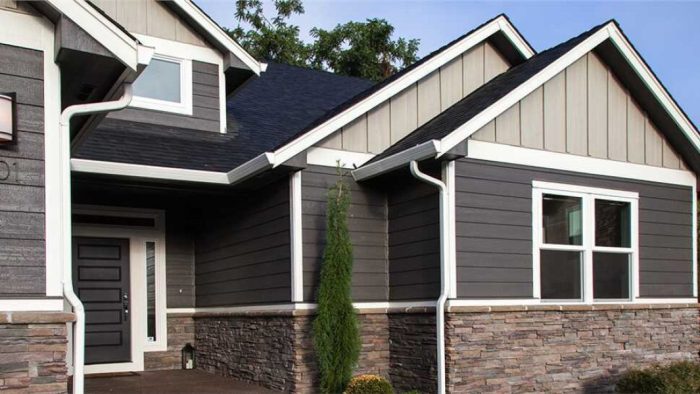
In conclusion, house siding near me offers not just a way to protect your home but also a chance to elevate its aesthetic appeal. By understanding the nuances of siding materials, installation options, and local contractors, you're on the path to transforming your house into a stunning masterpiece.
Query Resolution
What factors should I consider when choosing house siding?
Consider the climate, maintenance requirements, impact of color on energy efficiency, and curb appeal enhancement.
How can I find reputable house siding contractors near me?
Search online, check licenses and insurance, compare quotes, and read reviews for a reliable choice.
Is DIY house siding installation a good idea?
DIY can be cost-effective but may come with challenges. Hiring professionals ensures quality installation.
Which house siding material is the most durable?
Fiber cement is known for its durability, while vinyl is popular for its low maintenance.