

Embark on a journey through the world of traditional interior design, where classic elements blend seamlessly with modern aesthetics to create inviting spaces that stand the test of time. From color palettes to architectural details, discover the key components that make traditional design a beloved choice for many homeowners.
Introduction to Traditional Interior Design
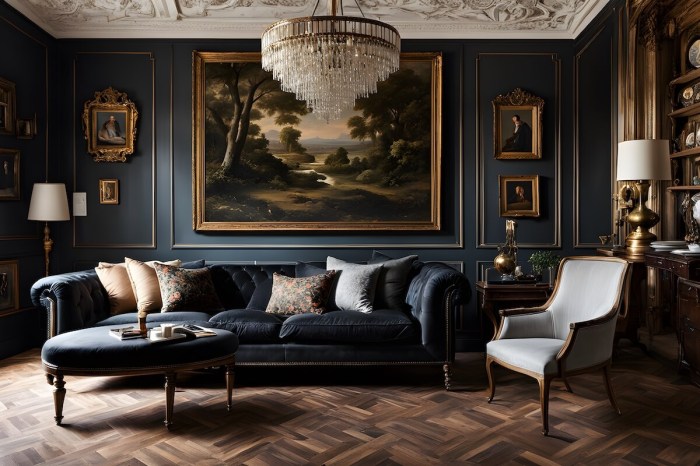
Traditional interior design refers to a style that encompasses classic, timeless elements with a focus on symmetry, comfort, and elegance. This style draws inspiration from various historical periods, such as the 18th and 19th centuries, and creates a warm and inviting atmosphere in a space.
Key Elements of Traditional Interior Design
Traditional interior design is characterized by:
- Rich and luxurious fabrics like silk, velvet, and damask
- Antique furniture with intricate carvings and details
- Symmetrical arrangements and classic patterns like floral or toile
- Warm and neutral color palettes with accents of deep, rich hues
Popular Color Schemes in Traditional Interior Design
Color plays a crucial role in traditional interior design, with popular schemes including:
- Burgundy and gold for a regal and sophisticated look
- Deep blues and greens for a more traditional and calming ambiance
- Creams and beiges paired with warm browns for a cozy and inviting feel
Significance of Furniture and Decor
In traditional interior design, furniture and decor are essential elements that bring the space to life. Pieces such as ornate wooden tables, upholstered chairs, and antique chandeliers contribute to the overall elegance and charm of the design. Decor items like intricate rugs, classic artwork, and decorative moldings add layers of depth and sophistication to the room.
Furniture and Decor in Traditional Interior Design
Traditional interior design is known for its timeless elegance and classic charm. When it comes to furniture and decor in traditional interiors, there are certain key elements that define the style and create a cohesive look.
Common Furniture Styles
- Queen Anne: Known for its curved lines, cabriole legs, and decorative details.
- Chippendale: Characterized by intricate carvings, ball-and-claw feet, and rich woods.
- Victorian: Features ornate details, dark woods, and plush upholstery.
- Federal: Inspired by neoclassical designs, with straight lines and delicate inlays.
Incorporating Traditional Decor Elements
To incorporate traditional decor elements like ornate mirrors or chandeliers, focus on adding statement pieces that reflect the opulence of the style. Place a large ornate mirror above a mantel or add a crystal chandelier as a focal point in the room.
Use of Textiles
Textiles play a crucial role in traditional interiors. Use heavy curtains with elaborate patterns, oriental rugs with intricate designs, and upholstery in luxurious fabrics like velvet or silk to add warmth and texture to the space.
Mixing Traditional and Modern Pieces
- Focus on balance: Mix traditional and modern pieces in a way that creates a harmonious blend of styles.
- Choose a common color palette: Use a cohesive color scheme to tie together different furniture styles.
- Layer textures: Combine different textures like wood, metal, and fabric to add depth and visual interest.
- Experiment with scale: Mix large traditional pieces with sleek modern furniture to create a dynamic look.
Color Palettes and Patterns in Traditional Interior Design
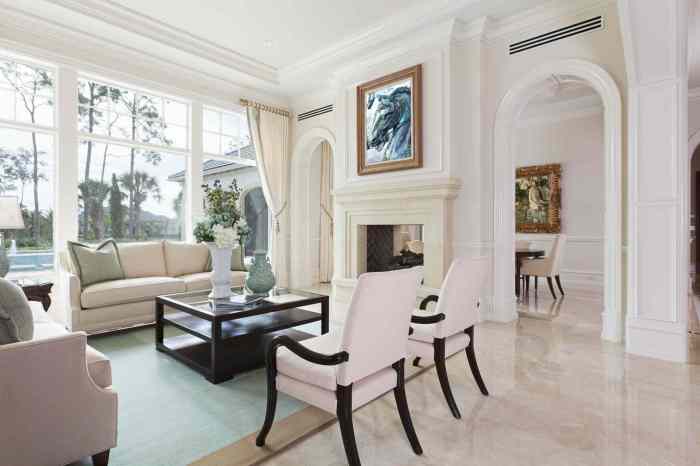
Traditional interior design often features a timeless color palette that creates a warm and inviting atmosphere. Some common colors used in traditional design include warm neutrals, deep blues, and rich reds. These colors help to create a cozy and classic look in a traditional space.
Role of Patterns in Traditional Design
- Patterns play a crucial role in traditional interior design, adding depth and visual interest to the space. Common patterns include floral, damask, or toile, which are often used in upholstery, curtains, and rugs.
- These patterns can be incorporated through various elements like throw pillows, wallpaper, or area rugs, enhancing the traditional aesthetic of the room.
Using Wallpaper Effectively
- Wallpaper is a key element in traditional interiors, adding texture and personality to the walls. It can be used to create a focal point or to enhance the overall theme of the space.
- When using wallpaper in traditional design, opt for classic patterns like stripes, florals, or damasks. These patterns can help to create a sophisticated and elegant look in the room.
Layering Different Patterns
- Layering patterns in a traditional space can add depth and dimension to the room. To successfully layer patterns, start with a large-scale pattern as the focal point and then add smaller-scale patterns for balance.
- Mixing different patterns like florals, stripes, and plaids can create a cohesive and visually appealing look in a traditional interior. Just be sure to vary the scale and color of the patterns for a harmonious design.
Architectural Details and Finishes in Traditional Interior Design
In traditional interior design, architectural details and finishes play a crucial role in enhancing the overall aesthetic appeal of a space. These elements add depth, character, and a sense of sophistication to the design scheme.
Architectural Details
- Crown Molding: Crown molding is a decorative trim installed where the walls meet the ceiling. It adds an elegant touch and visually expands the height of the room.
- Wainscoting: Wainscoting is wooden paneling that covers the lower part of the walls. It not only adds texture and visual interest but also protects the walls from wear and tear.
- Coffered Ceilings: Coffered ceilings feature sunken panels divided by beams. This architectural detail adds a sense of grandeur and creates a visually stunning ceiling design.
Finishes
- Wood Paneling: Wood paneling can be used on walls, ceilings, or even as wainscoting. It adds warmth, texture, and a timeless appeal to the space.
- Marble Countertops: Marble countertops are a luxurious choice for kitchens and bathrooms. The natural beauty of marble adds a touch of elegance and sophistication to the room.
- Brass Fixtures: Brass fixtures, such as faucets, hardware, and lighting, add a touch of glamour and vintage charm to the space. They can elevate the overall look of the room.
In traditional interior design, these architectural details and finishes are essential in creating a sense of grandeur and elegance. They elevate the space, making it feel more luxurious and sophisticated. Maintaining these elements is key to preserving the traditional charm of the design.
Regular cleaning, polishing, and restoration when needed can help ensure that these architectural features remain in top condition for years to come.
Final Review
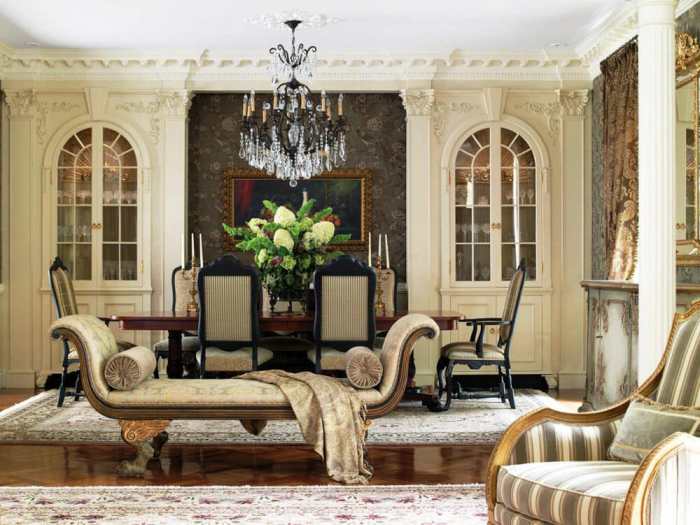
As we conclude our exploration of traditional interior design, it's evident that the timeless appeal of this style lies in its ability to effortlessly blend the past with the present. By incorporating traditional elements into your home, you can create a warm and elegant space that exudes charm and sophistication.
Questions and Answers
How do you define traditional interior design?
Traditional interior design embraces classic furnishings, elegant decor, and rich color palettes to create timeless spaces with a touch of sophistication.
What are some popular color schemes used in traditional interior design?
Popular color schemes in traditional design include warm neutrals, deep blues, rich reds, and earthy tones that evoke a sense of warmth and comfort.
How can you mix traditional furniture with modern pieces?
To blend traditional and modern pieces seamlessly, focus on complementing styles, colors, and textures while creating a cohesive look that balances the old and the new.